

What They Don’t Tell You About Living in Bali

Updated: Sep 26
Bali often appears as a paradise on earth in photos and videos online. Crystal-clear waters, lush rice terraces, and serene temples paint a picture of an idyllic escape. But what if the reality behind this postcard-perfect image is quite different? This story shares a personal experience of navigating Bali as a tourist, revealing the challenges and surprises that rarely make it to social media feeds. It’s a candid look at what life feels like beyond the beaches and sunsets, offering a balanced view for anyone considering a visit or move to this famous island.
The Overcrowded Tourist Spots
One of the first things that hits you in Bali is how packed some popular places can be. Temples like Uluwatu or Tanah Lot, once peaceful and spiritual, now often feel like busy marketplaces. Tourists swarm these spots daily, making it hard to find a quiet moment or take a photo without crowds. The charm of these locations sometimes gets lost in the sheer volume of visitors.
This overcrowding also affects local businesses and the environment. Trash piles up, and natural sites suffer from wear and tear. It’s a reminder that Bali’s popularity comes with a cost, both for the island and its residents.
Traffic That Tests Patience
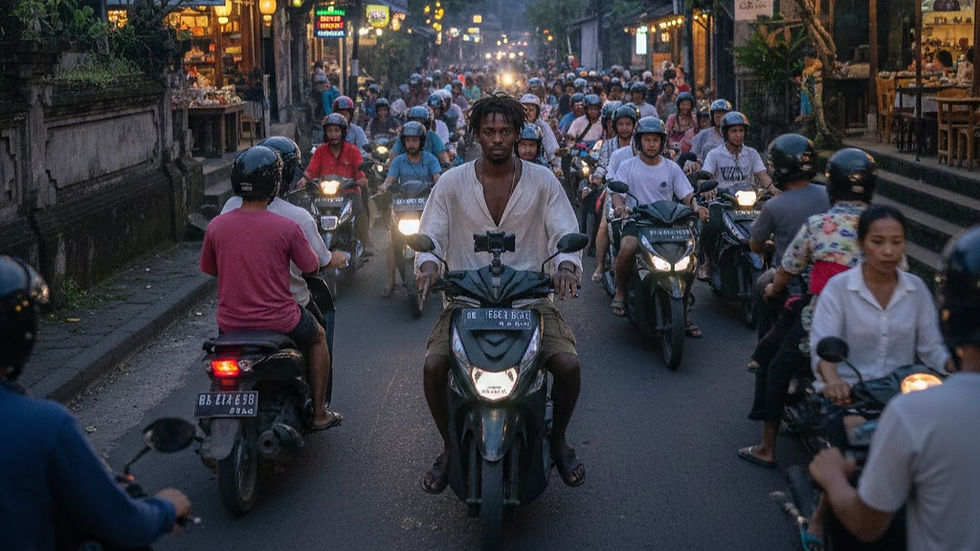
Bali’s traffic is another reality that surprises many. The island’s narrow roads were not built for the number of vehicles now on them. Scooters dominate the streets, weaving through traffic in ways that can feel chaotic to newcomers. During peak hours, what should be a 15-minute ride can stretch into an hour or more.
This congestion isn’t just frustrating; it affects daily life and travel plans. Visitors often underestimate the time needed to get from one place to another, leading to missed tours or late arrivals. Renting a scooter might seem like freedom, but it comes with the challenge of navigating this busy traffic safely.
Hidden Costs and Scams
Bali’s beauty can come with unexpected expenses. Many travelers find themselves caught off guard by hidden fees or inflated prices, especially in tourist-heavy areas. For example, some restaurants add service charges or taxes not clearly stated on menus. Tuk-tuk or taxi drivers sometimes quote prices much higher than locals pay.
Scams can also be a problem. Common ones include overpriced tours, fake guides, or vendors selling counterfeit goods. Learning to spot these early helps avoid frustration and wasted money. It’s wise to ask locals for recommendations and always agree on prices upfront.
Culture Shock and Local Customs
Adjusting to Bali’s culture can be challenging. The island has a rich spiritual heritage and many unspoken rules that visitors might not know. For instance, certain temples require modest dress, and it’s important to respect local ceremonies and traditions.
The pace of life is different too. While some tourists expect constant entertainment, locals often value quiet reflection and community. This cultural gap can lead to feeling overwhelmed or out of place, especially for those used to fast-paced urban environments.
The Pressure to Spend
Bali’s tourism industry thrives on visitors spending money, which can create pressure to keep up with experiences and purchases. From yoga classes to beach clubs, the options are endless but not always affordable. This pressure can make a trip feel less relaxing and more like a series of expenses.
It’s easy to fall into the trap of thinking you need to do everything to get the “full Bali experience.” But slowing down and choosing what truly matters can lead to a more meaningful visit without breaking the bank.

The Influence of Glamorous Images
Many influencers showcase Bali as a flawless paradise, highlighting luxury villas, perfect sunsets, and exotic food. While these images inspire wanderlust, they often leave out the less glamorous parts of life on the island. This creates unrealistic expectations for travelers.
The truth is that Bali has its ups and downs like any place. The glamorized version can make it harder to accept the everyday realities, from dealing with crowds to managing cultural differences. Recognizing this gap helps prepare for a more authentic experience.
Valuable Lessons and Moments of Growth
Despite the challenges, living or traveling in Bali offers valuable lessons. Patience becomes essential when facing traffic or crowds. Respect for local customs deepens understanding and connection. And learning to slow down allows for genuine appreciation of the island’s beauty beyond the surface.
These experiences foster personal growth and a new perspective on travel. Instead of rushing through highlights, taking time to engage with the culture and environment creates lasting memories.
A Deeper Appreciation for Balinese Culture
Once you move past the initial shock, Bali’s culture reveals itself in meaningful ways. Traditional ceremonies, community gatherings, and the island’s spiritual energy offer a rich backdrop to daily life. Respecting these elements opens doors to authentic interactions and a deeper sense of place.
Visitors who take the time to learn about local customs often find Bali more rewarding than the typical tourist path. This respect benefits both travelers and the community, promoting sustainable tourism.

Final Thoughts on Visiting Bali
Bali is not just a postcard or a glamorous Instagram feed. It is a complex place with beauty and challenges intertwined. Understanding the realities of traffic, crowds, cultural differences, and hidden costs helps set realistic expectations.
For those considering a trip or move, the key is to approach Bali with an open mind and respect. Slow down, learn from the locals, and focus on meaningful experiences rather than ticking off tourist spots. This approach reveals the island’s true spirit and makes the journey worthwhile.
Where to stay: Find hotels in Bali on Klook (affiliate link, no extra cost to you)


Comments